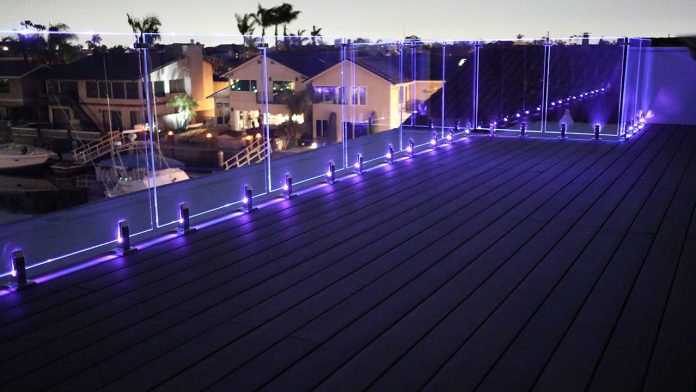

Choosing the right glass railing thickness depends on the railing system, glass type, panel size, railing height, location, and structural requirements of the project.
For many frameless glass railing systems, glass thicknesses commonly fall between 12 mm (½ inch) and 19 mm (¾ inch). However, thicker glass is not automatically the right choice for every railing. The mounting system, wind exposure, panel dimensions, and whether the railing is installed indoors or outdoors can all affect the required specification.
Cypress Glass designs and installs frameless glass railings for residential and commercial properties across Vancouver. Glass thickness, hardware, mounting method, and site conditions should be considered together rather than selecting the glass thickness on its own.
Below, we compare common glass railing thicknesses and explain the factors that determine which option is appropriate for a specific project.
Glass Railing Thickness at a Glance

Common frameless glass railing systems may use glass around 12 mm, 15–16 mm, or 19 mm thick, depending on the system and application.
12 mm Glass Railing
12 mm (about ½ inch) glass can be used in compatible frameless railing systems where the panel dimensions, mounting hardware, railing height, and structural requirements allow it.
It may be suitable for some interior and exterior applications, but the thickness should always be confirmed as part of the complete railing design.
15–16 mm Glass Railing
15–16 mm (about ⅝ inch) glass provides additional thickness and is used with various frameless railing systems, including compatible base-shoe configurations.
It can be considered for balconies, decks, staircases, and other applications where the complete system is designed for this glass specification.
19 mm Glass Railing
19 mm (about ¾ inch) glass is a heavier option that may be specified where the railing system, larger panel dimensions, exposure conditions, or structural requirements call for greater glass capacity.
Because heavier glass also affects the supporting hardware and structure, it should not be selected independently from the mounting system.
Important: Glass railing thickness should never be selected by thickness alone. Panel dimensions, railing height, glass type, mounting system, anchoring, wind exposure, and applicable building requirements all need to be considered together.
How to Choose the Right Glass Railing Thickness
There is no single thickness that is correct for every frameless glass railing. The appropriate specification depends on several connected factors.
Mounting System
How the glass is supported has a major effect on the railing design. A frameless railing secured in a continuous base shoe can have different requirements from a railing using standoffs, clamps, or other point-mounted hardware.
For this reason, the glass thickness and mounting system need to be designed together. If you are still deciding which configuration fits your project, see our guide to the types of frameless glass railings.
Panel Size
The height and width of each glass panel matter. A large uninterrupted panel behaves differently from a smaller section of glass and may place different loads on the mounting hardware and supporting structure.
This is one reason a glass thickness that works for one railing cannot automatically be applied to another project.
Railing Height
The required railing height can also affect the complete glass specification. Taller glass panels may experience different forces than shorter panels, particularly when installed outdoors or in exposed areas.
The railing height, glass thickness, glass type, and support system should therefore be reviewed together.
Indoor vs. Outdoor Installation
An interior staircase and an exterior balcony do not experience the same conditions.
An interior glass railing is generally protected from weather and wind, while an outdoor system needs to account for environmental exposure.
Outdoor hardware should also be selected for the conditions in which it will be installed.
Wind Exposure
Wind is particularly important for elevated balconies, rooftop areas, open decks, and exposed properties.In these situations, the railing system may require a different glass specification, anchoring arrangement, or hardware configuration.
Rather than assuming that simply choosing thicker glass solves the problem, the entire railing assembly should be evaluated for the site conditions.
Tempered vs. Laminated Glass for Railings

Thickness is only one part of choosing railing glass.
Frameless railings commonly use safety glass such as tempered glass, laminated glass, or an appropriate combination specified for the railing system.
Tempered Glass
Tempered glass is heat-treated to increase its strength compared with ordinary annealed glass.
When broken, tempered glass is designed to fracture differently from standard glass, which is why it is widely used in safety-glazing applications.
Laminated Glass
Laminated glass consists of multiple layers bonded with an interlayer.
If breakage occurs, the interlayer helps hold the glass together rather than allowing all of the glass to separate immediately.
The appropriate glass composition depends on the railing design and applicable project requirements.
Therefore, the question should not only be:
“How thick should my railing glass be?”
It should also be:
“What type and thickness of glass does this complete railing system require?”
Does Glass Railing Thickness Change by Location?
Yes. Different railing applications can create different design requirements.
Glass Staircase Railings
For glass staircase railings, the glass needs to work with the stair geometry, mounting method, railing height, and any required handrail system.
Staircases can also include angled glass panels and custom fabrication, making accurate measurement especially important.
Glass Deck Railings
Glass deck railings are exposed to exterior conditions and often need to preserve an open view.
Panel dimensions, wind exposure, deck structure, and mounting location should all be considered when selecting the glass system.
Glass Balcony Railings
For balcony glass railings, elevation and exposure can be particularly important.
A balcony on a protected low-rise property can have different conditions from a railing installed on a higher or more exposed building.
Outdoor Glass Railings
Outdoor glass railings need glass and hardware suited to weather exposure.
The supporting structure, anchoring method, drainage, wind conditions, and material durability should all be reviewed before installation.
Frameless Glass Railing Mounting Systems
The mounting system determines how loads from the glass are transferred into the supporting structure.
Common configurations include:
Base Shoe or Channel Systems
A continuous base shoe supports the lower edge of the glass and creates the clean appearance commonly associated with fully frameless railings.
The glass specification needs to be compatible with the selected base-shoe system.
Standoff Systems
Standoffs mechanically secure the glass to the side or face of the supporting structure.
Because forces are transferred through specific mounting points, panel dimensions, glass fabrication, and hardware placement become especially important.
Clamp-Based Systems
Some systems use metal clamps or similar fittings to support the glass.
The glass thickness needs to match the hardware specification and complete railing design.
Frameless vs. Semi-Frameless
A fully frameless railing minimizes visible posts and supports, while a semi-frameless system may incorporate additional structural components.
The right choice depends on the desired appearance, site conditions, budget, and structural requirements.
Building Codes and Safety Requirements
Glass railings are safety barriers, not simply decorative glass features.
Before installation, the railing should be designed to meet applicable requirements relating to factors such as:
- railing height
- structural loads
- glass safety
- openings and spacing
- mounting and anchoring
- handrail requirements where applicable
Requirements can vary depending on the property, application, and jurisdiction.
That is why choosing glass based only on a thickness number found online is not recommended.
A qualified railing professional should review the complete project and determine the appropriate glass, hardware, and installation method.
If you are also considering whether your railing needs an additional handrail or support, read our guide: Do Frameless Railings Require a Top Rail or Additional Supports?
Glass Railing Thickness and Cost
Glass thickness can affect project cost, but it is only one pricing factor. The final cost of a frameless railing may also depend on:
- total railing length
- glass thickness and type
- panel dimensions
- number of glass panels
- custom cuts or angled panels
- mounting system
- hardware finish
- stairs and corners
- site access
- supporting structure
- installation complexity
For example, a straight interior railing can have a very different fabrication and installation scope from a multi-level exterior deck with corners and exposed balcony sections.
The best way to compare costs is to evaluate the complete railing system rather than comparing glass thickness alone.
Does Thicker Glass Look Different?
Thickness can slightly affect the visual appearance of the glass, especially along exposed edges.
Standard clear glass can also show a green tint that becomes more visible through thicker sections of glass.
For projects where maximum clarity is important, low-iron glass may be considered because it has less of the green appearance commonly associated with standard clear glass.
Other design options may include:
- clear glass
- low-iron glass
- frosted glass
- tinted glass
- custom glass treatments
The right choice depends on the architecture, privacy requirements, desired view, and overall design of the space.
Glass Railing Maintenance
The maintenance requirements of a glass railing are generally more closely related to its location and finish than to the thickness of the glass.
Exterior glass may show:
- rain marks
- dust
- fingerprints
- hard-water deposits
- environmental residue
Regular cleaning helps maintain visibility and clarity.
Easy access to both sides of the glass should also be considered during the design stage, particularly for balconies and elevated installations.
Professional Installation vs. DIY
Frameless glass railings require precise measurement, fabrication, mounting, and anchoring.
Small installation errors can affect glass alignment, hardware performance, appearance, and safety.
Professional installation is particularly important for:
- elevated balconies
- decks
- staircases
- large glass panels
- exposed outdoor areas
- complex mounting conditions
Working with an experienced glass railing installer also allows the glass specification, hardware, mounting method, and site conditions to be reviewed as a complete system before fabrication begins.
Need Help Choosing the Right Glass Thickness?
The right glass railing is about more than choosing a thicker panel. Cypress Glass can help you select the appropriate glass type, thickness, mounting system, and design for your Vancouver property.
Have a glass railing project in mind? Contact Cypress Glass for a consultation.
Frequently Asked Questions About Glass Railing Thickness
What is the standard glass railing thickness?
There is no single standard thickness suitable for every railing. Frameless railing systems commonly use glass within approximately the 12 mm to 19 mm range, but the correct specification depends on the complete railing system and project conditions.
Is 12 mm glass thick enough for a railing?
12 mm glass can be used in compatible railing systems when the glass type, panel dimensions, hardware, mounting method, and structural requirements support that specification.
It should not be assumed to be appropriate for every railing simply because another project uses 12 mm glass.
Is 19 mm glass better than 12 mm glass?
Not necessarily.
19 mm glass is thicker and heavier, but the best choice is the thickness required by the specific railing system.
Using thicker glass does not replace the need for properly designed hardware, anchoring, and structural support.
What glass thickness is best for a balcony railing?
The appropriate balcony glass thickness depends on factors including panel dimensions, railing height, mounting system, elevation, wind exposure, glass composition, and structural requirements.
An exposed balcony may require a different railing design from a protected residential installation.
What glass thickness should I use for a deck railing?
Deck railing glass should be selected according to the specific railing system, deck structure, panel dimensions, mounting method, and environmental conditions.
There is no single thickness that should automatically be used for every deck.
Does a frameless glass railing need thicker glass?
Frameless systems rely heavily on the structural performance of the glass and mounting hardware, but the required glass thickness still depends on the specific system.
The correct thickness should be determined using the railing design rather than simply choosing the thickest available glass.
Choosing the Right Glass Railing Thickness for Your Project
The most important takeaway is simple:
Do not choose a glass railing based on thickness alone.
A successful frameless railing combines the correct glass type and thickness with compatible hardware, proper anchoring, suitable panel dimensions, and a mounting system designed for the installation environment.
Whether you are planning a staircase, deck, balcony, or outdoor railing, Cypress Glass can help evaluate the project and recommend a suitable railing configuration.
Planning a Glass Railing Project in Vancouver?
Cypress Glass designs, fabricates, and installs custom glass railing systems for residential and commercial properties across Vancouver and the surrounding area.
Send us your project dimensions, photos, location, or drawings and our team can help determine the appropriate glass, mounting system, and installation approach.