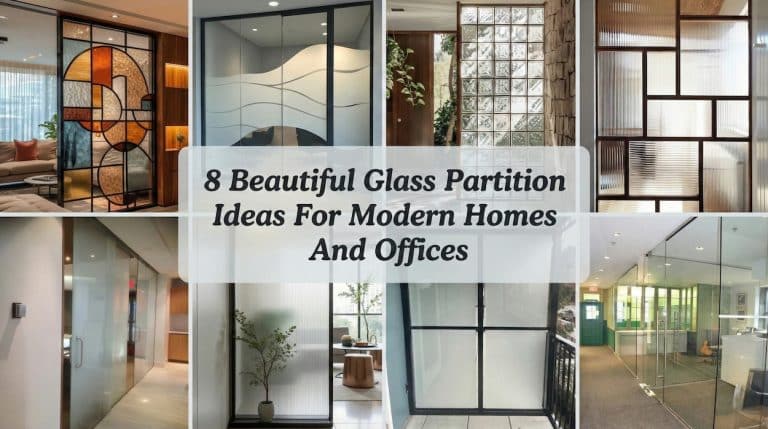
Interior doors with frosted glass panels are one of the best options when you want privacy without making the room feel dark or closed off.
Instead of completely blocking light like a solid door, frosted glass diffuses the view while allowing daylight to move between rooms. That makes it particularly useful for bathrooms, home offices, laundry rooms, pantries, closets and interior room divisions where privacy matters but natural light is still valuable.
For Vancouver condos, townhomes and houses with darker hallways or compact interior layouts, this can solve a very practical problem: separating rooms without making the floor plan feel smaller.
But not every frosted glass door provides the same level of privacy, and the right choice depends on more than appearance.
Before selecting one, decide:
- how much privacy the room actually needs
- whether you want a hinged, sliding, pocket or double door
- how much natural light should pass through
- whether the glass should be fully or partially frosted
- what frame and hardware suit the rest of the interior
- whether the existing opening can support the desired door configuration
If your project involves a larger glass room division rather than only a door, compare Cypress Glass’s custom glass partitions in Vancouver as well.
Are Frosted Glass Interior Doors Right for Your Home?
For most homeowners, this is the first decision to make.
A frosted glass interior door makes the most sense when you need visual separation plus light transmission.
They are a strong choice when:
- a hallway or adjoining room needs more natural light
- a home office needs privacy without feeling isolated
- a bathroom entrance needs more screening than clear glass
- a pantry or laundry area should be concealed without using a visually heavy solid door
- a narrow room would benefit from a sliding door
- you want a contemporary glass-and-metal or glass-and-wood interior
- the door is part of a larger open-concept renovation
A solid door may make more sense when:
- complete visual privacy is essential
- maximum acoustic separation is the priority
- very little light needs to pass through
- the surrounding design calls for a traditional solid-panel door
The important point is that frosted glass is a privacy-light compromise, not a replacement for a completely opaque wall or door.
How Much Privacy Does Frosted Glass Actually Provide?
This is probably the most important question to answer before choosing the glass.
Frosted glass obscures detail by diffusing the view through the panel while still transmitting light. Cypress’s existing guide already identifies this balance between privacy and natural light as one of the main reasons homeowners choose the material.
However, “frosted” does not automatically mean “completely private.” Privacy can change according to:
- the opacity of the finish
- whether the glass is lightly or heavily frosted
- the distance between the person and the glass
- lighting on each side of the door
- whether the entire panel is obscured
- viewing angle
- whether clear decorative areas remain in the design
For a Bathroom
Use a privacy level that obscures more than general shapes, particularly where the door has direct sightlines into the room.
For a Home Office
A moderate frost may be enough if the goal is to obscure screens and visual distractions while keeping the office connected to the rest of the home.
For a Pantry or Laundry Room
Privacy requirements are usually lower. The goal may simply be hiding shelving, appliances or clutter.
For a Room Divider
You can choose between full frosting and selective frosting depending on how much visual connection you want between the two spaces.
Frosted glass is made by sandblasting or acid-etching the surface so it scatters light; see frosted glass for how it’s produced.

The Cypress Glass Rule: Choose Frosting by Sightline, Not by Sample Alone
A small frosted-glass sample can look very private when you hold it in your hand.
Installed in a doorway with bright lighting behind it, the result may look different.
That is why the privacy decision should be made according to where the door sits, what is behind it and from which direction people will see it.
For example, a bathroom door facing a main hallway has a different privacy requirement from a pantry door facing a kitchen.
Likewise, an office with bright windows behind the occupant can reveal more silhouettes through lightly frosted glass than the same panel would under balanced lighting.
Practical recommendation: decide the required privacy level in the actual room first, then choose the frosting, not the other way around.
This approach is especially useful when frosted glass is being coordinated with a larger glass wall or partition. Cypress Glass already uses frosted and textured glass in partition concepts where privacy and daylight need to be balanced together.
Best Rooms for Interior Doors With Frosted Glass Panels
Frosted Glass Doors for Bathrooms
Bathrooms are one of the strongest applications because they often need both privacy and borrowed light. Frosted glass may work for:
- bathroom entry doors
- ensuite entrances
- bathroom partitions
- sliding bathroom doors
The level of frosting should be selected specifically for the sightlines in the room. For the shower itself, that becomes a different type of installation. Cypress also provides custom glass shower doors in Vancouver for projects where the glass is part of the shower enclosure rather than the room entrance.
Frosted Glass Doors for Home Offices
A home office door needs to create separation without necessarily making the person inside feel disconnected. Frosted panels allow light to travel through while reducing:
- visual distraction
- direct visibility of computer screens
- views of paperwork
- the feeling of working inside a closed box
This can be especially valuable in Vancouver condos where the office is positioned away from an exterior window.
Pantry Doors
A frosted pantry door keeps storage from being fully visible while allowing the kitchen to maintain a lighter visual flow.
It works particularly well with:
- white kitchens
- black hardware
- contemporary cabinetry
- wood cabinetry
- minimalist interiors
Laundry Rooms
Laundry areas often need to be concealed but do not necessarily need a visually heavy door. A frosted door can hide appliances and storage while borrowing light from the adjacent hallway or living area.
Closets and Dressing Areas
Sliding or hinged frosted glass panels can be used where you want a lighter alternative to conventional closet doors. The frosting also helps conceal clothing and storage.
Bedrooms
Frosted glass can work for some bedroom configurations, particularly modern suites and interior bedrooms, but consider privacy carefully. For a primary bedroom, a solid door may still be preferable if acoustic and complete visual separation are priorities.

Which Door Style Should You Choose?
The glass is only half of the decision. The opening and the way you use the room should determine the door configuration.
Hinged Frosted Glass Doors
A conventional hinged door remains the simplest choice for many standard openings.
Best for:
- bathrooms
- bedrooms
- home offices
- pantries
- laundry rooms
The main requirement is enough floor space for the door’s swing.

Sliding Frosted Glass Doors
Sliding doors are useful when you want to avoid using floor area for a swinging door.
They can work particularly well for:
- home offices
- closets
- laundry rooms
- ensuite bathrooms
- compact condos
- room dividers
Cypress Glass’s existing partition-design content also discusses wide sliding frosted panels for workspaces where both privacy and space efficiency matter.
Before choosing sliding glass, check:
- available wall space
- track location
- handle clearance
- floor and ceiling conditions
- how the panels overlap when closed
- whether full acoustic sealing is important
Pocket Frosted Glass Doors
A pocket door disappears into the wall when open. That makes it an attractive option where usable floor area is limited.
However, pocket systems need appropriate wall construction and space for the door cavity, so they are easier to plan during a larger renovation than after the wall is complete.
Double or French-Style Frosted Glass Doors
Double doors work particularly well for wider openings such as:
- offices
- dining rooms
- studies
- primary suites
- larger room transitions
They create a stronger architectural feature than a standard single door while preserving light between rooms.
Frameless Frosted Glass Doors
For a highly minimal interior, the glass itself can become the primary visible surface. Frameless or minimally framed systems may suit:
- contemporary offices
- home workspaces
- interior partitions
- modern residential renovations
Hardware and structural support become especially visible in these systems, so the details should be coordinated rather than selected independently.
Full Frosted Glass vs. Frosted Glass Panels
There are two different visual approaches.
Full Frosted Glass Door
A large continuous glass panel provides the most modern and visually light appearance.
It is well suited to:
- contemporary offices
- modern bathrooms
- partitions
- sliding systems
Door With Multiple Frosted Glass Panels
A wood, MDF or metal door can contain several individual frosted panels. This creates more visual structure and may coordinate better with:
- transitional homes
- shaker cabinetry
- traditional trim
- panelled doors elsewhere in the house
Current interior-door suppliers offer everything from single full-lite doors to multi-panel frosted configurations, showing that users expect both modern and more conventional frame styles.
Frosted, Textured or Clear Glass?
Frosted glass is not the only way to control visibility.
Frosted Glass
Best when privacy and light are equally important.
Textured Glass
Textures such as fluted, reeded or patterned glass distort the view while adding stronger visual character.
They can be particularly effective in:
- kitchens
- entryways
- living areas
- feature partitions
Clear Glass
Best when maximum openness is the goal and privacy is not required.
Partially Frosted Glass
A clear-and-frosted combination can preserve openness above or below eye level while screening the part of the room that needs privacy.
Cypress’s own partition-ideas article demonstrates the same concept with selective frosted areas used to create privacy at viewing height while keeping other portions open.
Black-Framed or Minimal Hardware?
Black-framed glass doors can work particularly well in modern Vancouver interiors.
They coordinate naturally with:
- black window frames
- black stair railings
- contemporary lighting
- wood floors
- white walls
- other architectural metalwork
A lighter frame or nearly frameless system will visually disappear more.
Neither approach is automatically better.
Choose based on whether you want the door to become an architectural feature or quietly blend into the room.
If the renovation also includes glass around a staircase, Cypress’s interior glass railing service is a natural place to coordinate glass and hardware finishes.
What Affects the Cost of a Frosted Glass Interior Door?
I would not publish a generic price range unless Cypress has current verified sales data.
The cost can change considerably according to the complete system.
Main cost drivers include:
- opening dimensions
- glass size
- glass type
- degree or method of frosting
- single versus multiple panels
- hinged versus sliding configuration
- framing material
- hardware
- handles
- tracks
- custom fabrication
- existing opening conditions
- installation access
- whether walls or finishes need modification
A standard hinged opening and a floor-to-ceiling custom sliding glass system should not be compared simply by the price of the glass.
What to Send for an Estimate
For a more useful initial estimate, send:
- project location
- overall opening width and height
- photos of the complete opening
- photos from both sides
- preferred hinged or sliding configuration
- desired privacy level
- reference photos
- preferred hardware or frame finish
- whether the opening is existing or part of a renovation
What Should Be Checked Before Installation?
The best-looking glass will not solve an unsuitable opening or poorly planned hardware.
Before ordering, review:
Opening Dimensions
Measure the complete opening, not simply the existing door slab.
Floor Level
An uneven floor may affect door clearance and alignment.
Wall and Jamb Conditions
Hinged and sliding systems depend on suitable attachment locations.
Door Swing
A hinged door needs space to open without hitting:
- furniture
- fixtures
- walls
- cabinets
- another door
Sliding Clearance
A sliding system needs enough space for the panel to travel.
Handle Position
The hardware should remain comfortable to use and avoid interference with walls or adjoining panels.
Privacy Sightlines
Review what can actually be seen through the glass from hallways and adjacent rooms.
This is where professional field measurement becomes more important than ordering only from nominal door dimensions.
How Cypress Glass Approaches Custom Interior Glass
The strongest existing proof Cypress has for this topic comes from its broader glass fabrication and partition work.
Cypress Glass identifies itself as the glass division of Cypress Railings & Gates and provides custom fabrication and on-site installation for residential and commercial glass applications in Vancouver and the Lower Mainland.
Its glass-partition service describes a process beginning with consultation and design planning, followed by material preparation and on-site installation. The service page also contains a substantial gallery of completed partition installations.
For an interior frosted-glass door, the same principle matters:
opening → privacy requirement → movement → hardware → glass → final measurements
rather than choosing a glass pattern first and trying to make everything else fit afterward.
Browse Cypress’s glass services and project examples to compare related interior glass applications.
Are Frosted Glass Doors Good for Vancouver Condos?
They can be particularly useful in compact layouts.
Condos frequently have rooms that do not receive direct exterior light, including:
- dens
- offices
- bathrooms
- laundry rooms
- entry corridors
Replacing an opaque visual barrier with frosted glass can allow borrowed light to reach these spaces while preserving functional separation.
Sliding configurations can also help when a conventional door swing takes up valuable floor area.
However, for strata properties, confirm any applicable renovation requirements before modifying common or regulated building elements.
Cleaning and Maintaining Frosted Glass
Frosted glass is relatively straightforward to maintain, but the finish should be cleaned appropriately.
For routine care:
- use a soft cloth
- remove fingerprints before buildup becomes noticeable
- use a suitable non-abrasive glass cleaner
- avoid abrasive pads
- clean hardware separately where required
- keep sliding tracks free of debris
The existing Cypress article also recommends gentle cleaning rather than harsh chemicals on the frosted surface.
Common Mistakes to Avoid
Choosing Frosting Only From a Small Sample
Always consider lighting and viewing distance.
Assuming Frosted Means Completely Opaque
Privacy varies significantly.
Ignoring Door Movement
A beautiful door that interferes with furniture or another door is still the wrong solution.
Choosing Sliding Only Because It Looks Modern
Confirm the wall and track conditions first.
Forgetting About Hardware
Handles, hinges and tracks are part of the final appearance.
Ignoring Acoustic Needs
Frosted glass controls visibility; it does not automatically provide the same acoustic separation as every solid-door system.
Designing the Door Separately From the Room
Coordinate the glass, frame and hardware with nearby cabinetry, railings, partitions and architectural finishes.
Frequently Asked Questions About Interior Frosted Glass Doors
Are interior doors with frosted glass panels private?
They provide considerably more visual privacy than clear glass, but the exact privacy level depends on the frosting, lighting, distance and viewing angle. Choose the glass according to the room’s real sightlines.
Do frosted glass doors still let light through?
Yes. Light transmission while reducing direct visibility is one of their main advantages.
Are frosted glass doors good for bathrooms?
Yes, provided the privacy level is suitable for the room. Bathroom entry doors generally need greater visual screening than pantries or offices.
Are frosted glass doors good for home offices?
They can be an excellent option because they reduce visual distraction and provide privacy while keeping natural light moving through the home.
Can a frosted glass door be sliding?
Yes. Sliding frosted panels can be particularly useful in compact rooms, offices and room-divider applications where a conventional door swing would consume too much space.
Is frosted glass completely opaque?
Not necessarily. Depending on the treatment and lighting, silhouettes or movement may still be visible.
Can you use frosted glass for a pantry door?
Yes. It can hide shelf contents while allowing light to pass through and works well with both modern and transitional kitchens.
Which is better: frosted or textured glass?
Neither is universally better. Frosted glass generally creates a more uniform privacy effect, while textured glass adds more decorative character. Choose according to privacy, lighting and interior style.
What affects the cost?
Glass dimensions, glass treatment, frame, hardware, sliding or hinged configuration, custom fabrication and installation conditions all affect price.
Can an existing doorway be converted to a glass door?
Often, but the opening, wall or jamb, hardware configuration and finished dimensions need to be evaluated first.
Do I need a custom door?
Not always. Standard configurations may work for some openings, but custom fabrication becomes more useful when the opening, panel size, glass design or hardware does not match standard products.
How do I get an accurate quote?
Send the opening dimensions, wide photos from both sides, project location, preferred door type and desired privacy level.
Request a Custom Frosted Glass Door Quote in Vancouver
If you are considering an interior door with frosted glass panels, start with how the room needs to function, not only the door style.
Send Cypress Glass:
- your project location
- photos of the opening from both sides
- approximate width and height
- the room’s intended use
- preferred hinged or sliding configuration
- desired privacy level
- reference photos showing the style you like
Cypress can then review the opening, glass requirements and installation conditions before recommending the appropriate next step.